Clients & claimants
Intake and portals that lower anxiety instead of adding to it: plain language, clear next steps and a case status they can check without picking up the phone.


From the first intake form to the day of trial, we build legal software the way good counsel works: discreetly, diligently and around people at a hard moment. Attorney-client privilege isn’t a feature we bolt on. It’s how we engineer from the first commit.
Legal software succeeds when it works for the person at the most stressful moment of their year, whether that’s a client seeking help, an attorney under a filing deadline or the paralegal holding the whole matter together.
Intake and portals that lower anxiety instead of adding to it: plain language, clear next steps and a case status they can check without picking up the phone.
Tools that respect a packed docket: fewer clicks, sensible defaults and the right document, deadline or precedent exactly where the decision gets made.
Intake, scheduling, billing and document assembly that keep a practice moving without duplicate data entry, lost files or spreadsheet workarounds.
Firm sites and reporting that turn high-intent traffic into signed matters, all measurable, bar-compliant and built to convert without cutting ethical corners.
Six areas where product discipline and confidentiality engineering meet the day-to-day work of practicing law.
Conversion-focused firm websites and intake flows that capture high-intent traffic, qualify the matter and route it to the right attorney before the visitor closes the tab.
Encrypted portals for documents, e-signature, case status and messaging. Clients stay informed and files stay privileged, without a single unsecured email.
Docketing, deadlines, tasks and workflow that cut the administrative drag between a filing and the work it depends on, so nothing slips through on a busy week.
Document review, research and drafting assistance that gives attorneys time back. Every output is privilege-safe, cited to source and reviewed by a human before it leaves the building.
Clio, MyCase, LawPay, court e-filing and document management connected into one dependable flow, instead of copy-pasting between tabs and re-keying the same client twice.
Encryption, access control, conflict screening and audit trails designed in from the first commit, so an ethics review is a step to pass, not a battle to survive.
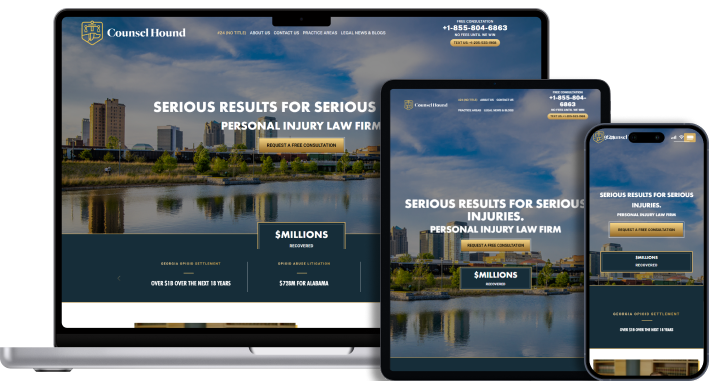
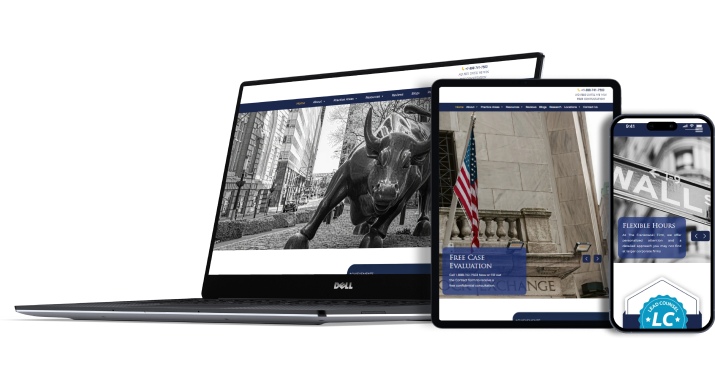
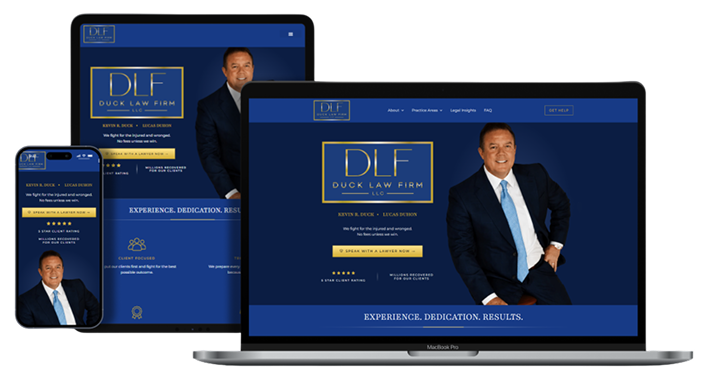
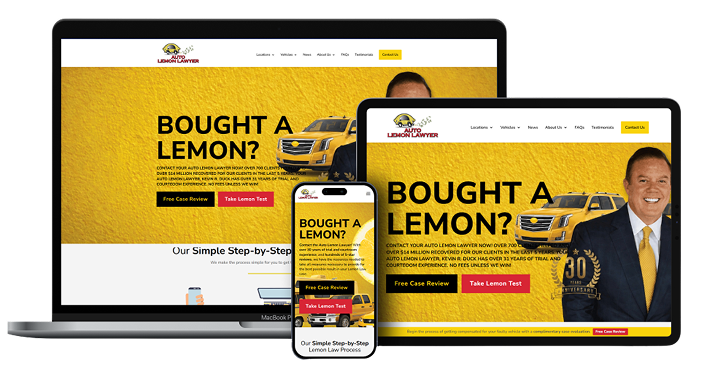
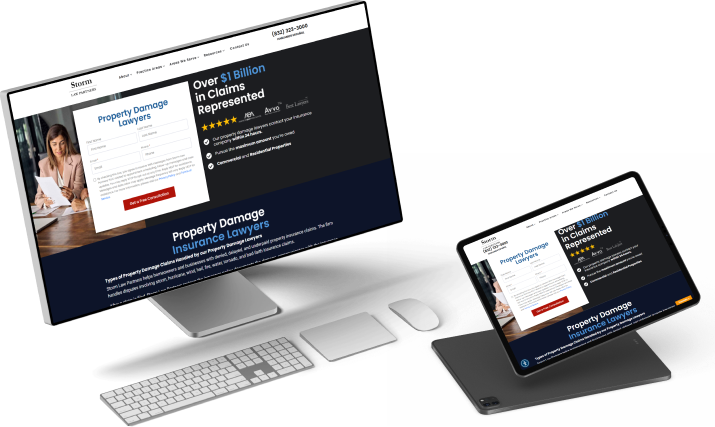
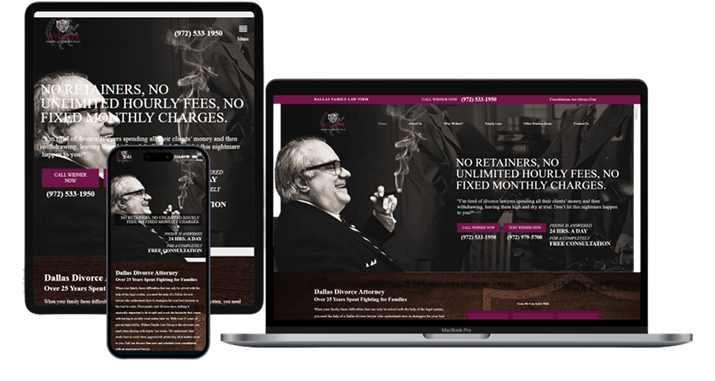
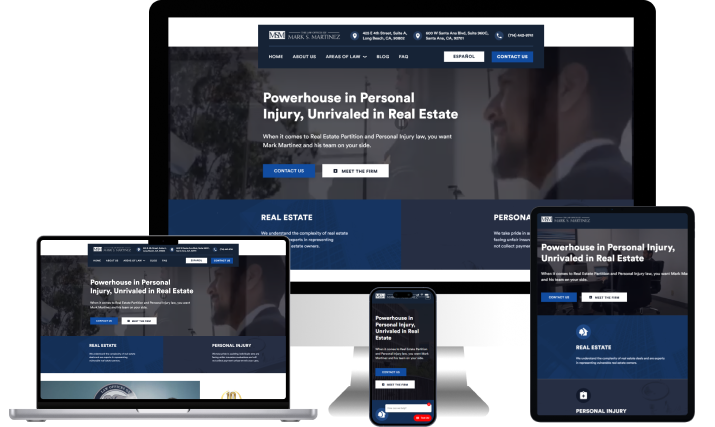
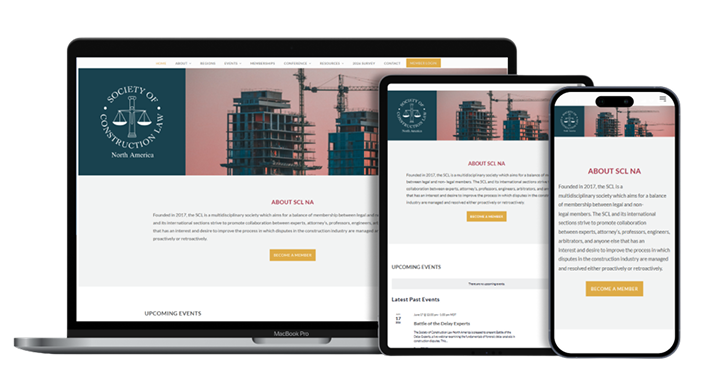
We build and market websites for firms across the country, from solo practitioners to multi-office litigation powerhouses, coast to coast. Find your area of law below: chances are we’ve already shipped for a firm that does exactly what you do.
Conversion-first firm sites that turn accident searches into signed cases, with results, reviews and a click-to-call intake front and center.
Fast-loading landing pages built for high-intent, time-sensitive collision, rideshare and wrongful-death leads.
Authority-driven sites that explain complex negligence and birth-injury claims clearly and build trust with injured families.
Bilingual, mobile-first intake that meets injured workers where they are and routes on-the-job claims straight to your team.
Discreet, reassuring sites that convert urgent, after-hours searches into confidential consultations for felony, misdemeanor and appeals.
Rapid-response landing pages and always-on contact for drivers who need a lawyer tonight, not next week.
Empathetic, private intake for sensitive custody, support and mediation matters that informs without adding stress.
Approachable sites that turn “someday” planning into booked consultations for wills, trusts and estates.
Multilingual journeys and clear process explainers for visas, green cards and asylum across every status.
Polished, credibility-first sites for formation, contracts and M&A that win the confidence of sophisticated clients.
Transaction-ready sites for closings, zoning and disputes, wired into the tools your practice already runs on.
Sites that qualify discrimination and wage claims and position your firm as the advocate worth calling first.
Judgment-free, education-led intake for Chapter 7, 11 and 13 that guides clients toward a fresh start.
Modern, technical sites for patents, trademarks and brand protection that speak the language of founders and creators.
Proof-led sites that showcase trial results and turn complex disputes and appeals into confident inquiries.
High-volume, campaign-ready intake and landing pages engineered to capture and manage plaintiff leads at scale.
The grid above is a sample, not the whole shelf. Tell us what you practice and we’ll send over the closest firm we’ve built for, from boutique practices to multi-office firms, coast to coast.
Behind every matter is someone’s business, someone’s family, sometimes someone’s freedom. That’s the standard we hold the architecture to, before launch and every day after.
There is no single “compliant law-firm software” certificate to buy. Your duty of confidentiality is something you demonstrate with architecture, access control and evidence, grounded in the ABA Model Rules your state bar adopts. This is what that looks like in the systems we ship.
ABA Model Rule 1.6 requires reasonable efforts to prevent unauthorized disclosure of client information. We build the technical side in directly: unique user IDs, session timeouts, encryption and secured transmission for anything carrying client data.
Comment 8 to Rule 1.1 makes keeping up with technology part of competent representation. We hand over systems and documentation your firm can actually understand, operate and defend, not a black box only we can touch.
Role-based permissions and multi-factor authentication keep each matter visible only to the people staffed on it. Conflict screening and ethical walls are enforced in the data model, not left to a policy PDF nobody re-reads.
Client funds are not firm funds. Where we touch billing, we keep IOLTA and operating money strictly separated, reconciled and logged, using LawPay and compliant payment flows rather than improvised spreadsheets.
Every access and automated action lands in tamper-evident logs: who, what, when and from where. Retention and legal-hold rules are written into the system, so a discovery request is a query, not a fire drill.
ABA Formal Opinion 512 sets expectations for generative AI in practice: confidentiality, competence, candor and reasonable fees. We deploy AI with private inference, source citations, human review and no client data leaking into public models.
Firm procurement and enterprise clients rarely stop at the ethics floor. When an engagement calls for it, we work to the wider rulebook legal operations actually run on.
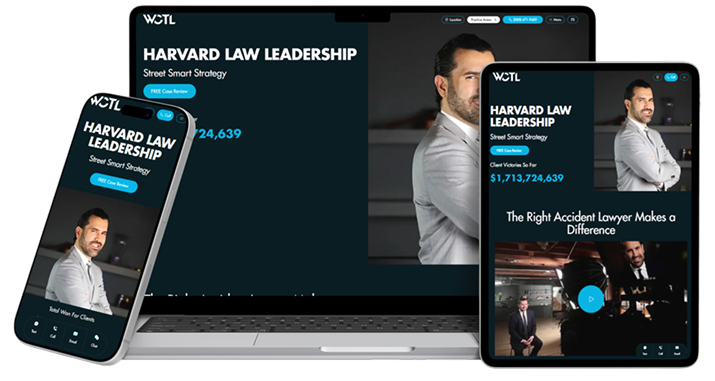
West Coast Trial Lawyers is a Los Angeles powerhouse in catastrophic and personal-injury litigation, with more than $1.7 billion recovered for clients. We turned that track record into a site that leads with proof, a running victories tally and Harvard-trained trial leadership, then makes reaching a lawyer effortless with bilingual English and Spanish journeys and always-on text, call, email and chat.
Confidentiality and ethics questions deserve straight answers before a sales conversation, not after one.
Ask us somethingYes, and we treat it as an engineering requirement, not a disclaimer. We sign NDAs, restrict each matter to the people staffed on it, encrypt data in transit and at rest, and log every access, so privilege is protected by the architecture itself rather than by good intentions.
Always. We sign a mutual NDA before any client files enter a system we build, and we set up access rules, ethical walls and logging before real matter data moves.
Yes. We build against the APIs of the major practice-management, document and payment platforms like Clio, MyCase, LawPay, court e-filing and document management, and we confirm exact integration scope during discovery.
It can be, with the right architecture: private or de-identified inference, a citation on every answer, a human attorney reviewing the output and an audit trail behind each step. We follow ABA Formal Opinion 512, and we never train public models on your clients’ data.
Legal marketing has to respect your state bar’s advertising rules, and your audience includes people in distress or using assistive technology. We build to WCAG guidelines and keep claims, disclaimers and testimonials aligned with the rules that apply in your jurisdiction.
Tell us what you are building. We will come back within one business day with questions, not a pitch deck.
Only relevant questions appear as you make selections.