Patients & caregivers
Portals and experiences that lower anxiety instead of adding to it: plain language, clear next steps and access that works on any device.


From patient portals to clinical operations, we build healthcare software the way medicine works: carefully, accountably and around real people. HIPAA isn’t a feature we bolt on. It’s how we engineer from the first commit.
Healthcare software succeeds when it works for the person at the worst moment of their week, whether that’s a patient, a nurse or the administrator holding it all together.
Portals and experiences that lower anxiety instead of adding to it: plain language, clear next steps and access that works on any device.
Tools that respect the reality of a twelve-hour shift: fewer clicks, sensible defaults and the right information where decisions happen.
Scheduling, intake, billing and reporting that keep a practice running without spreadsheet workarounds and duplicate data entry.
Study platforms and data tools where consent, integrity and traceability are structural, not something reviewed after the fact.
Six areas where product discipline and compliance engineering meet the day-to-day work of delivering care.
Secure portals for records, results, messaging and payments, designed around how patients think rather than how systems store data.
Video visits, remote monitoring and follow-up flows built for reliability on the days connectivity and patience are both thin.
Coordination, referrals and dashboards that cut the administrative drag between a decision and the care it leads to.
Documentation support, triage assistance and PHI-safe automation that gives clinicians time back without taking judgment away.
HL7 and FHIR integrations that connect portals, labs, imaging and records into one dependable flow of information.
HIPAA architecture, access control and audit trails designed in from the first commit, so approval is a step, not a battle.
Behind every record is someone’s diagnosis, someone’s family, someone’s hardest year. That’s the standard we hold the architecture to, before launch and every day after.
There is no official HIPAA certificate. HHS doesn’t certify software or vendors; compliance is something you demonstrate with architecture, process and evidence. This is what that looks like in the systems we ship.
The Security Rule spells out administrative, physical and technical safeguards. We build the technical ones in directly: unique user IDs, automatic session timeouts, integrity checks and secured transmission for anything carrying PHI.
We sign a Business Associate Agreement before any PHI reaches a system we run, and PHI only touches vendors that sign one too. Hosting, email, monitoring: if a service won't sign a BAA, it doesn't see patient data.
Role-based permissions and multi-factor authentication enforce HIPAA's minimum necessary standard. A scheduler sees schedules, a biller sees claims, and nobody can browse records their job doesn't require.
Every access and automated action lands in tamper-evident logs: who, what, when and from where. Records and policies are retained for the six years HIPAA expects, ready for a review nobody enjoys but everyone should be prepared for.
Incident response is agreed before launch, not improvised after. Containment steps, forensics access and the Breach Notification Rule's deadlines are written into the runbook from day one.
HHS has proposed making encryption and multi-factor authentication mandatory rather than addressable. We already engineer to that standard, so when the update lands it's paperwork, not a rebuild.
Hospital procurement rarely stops at the legal floor. When an engagement calls for it, we work to the wider rulebook healthcare actually runs on.
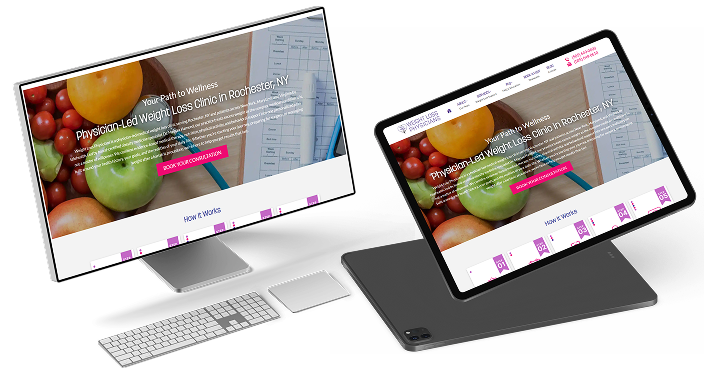
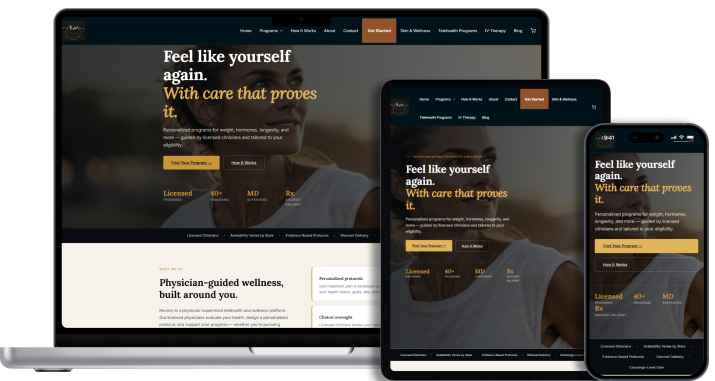
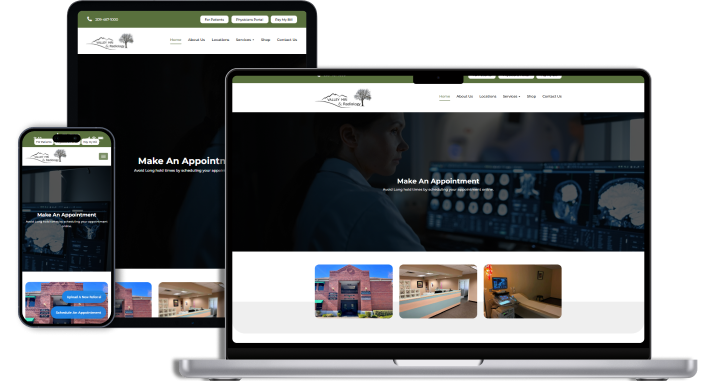
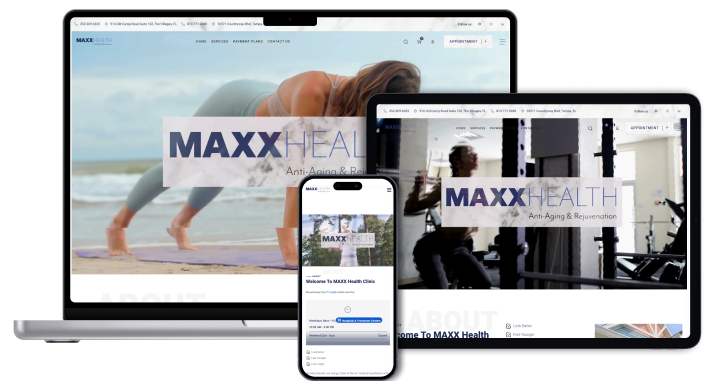
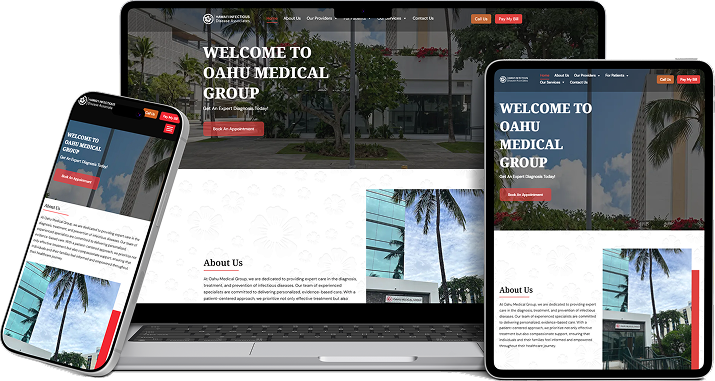
For Hawaii Infectious Disease, we built a hospital-grade web presence that communicates expertise clearly and helps patients find the right information with confidence, designed accessibility-first for people searching in stressful moments.
Compliance questions deserve straight answers before a sales conversation, not after one.
Ask us somethingNobody is, and it's worth being direct about that: HHS doesn't certify software or companies, so a “HIPAA certificate” isn't something anyone can honestly sell you. What exists is compliance you can demonstrate. We sign BAAs, run a risk analysis on the architecture, build the Security Rule safeguards in and hand over documentation your compliance officer can take to an auditor.
Yes. We sign BAAs as standard, and we set up PHI handling, access rules and logging before any real patient data enters a system we build.
We build against HL7 and FHIR standards and have connected portals, scheduling and clinical data flows to commercial EHRs, labs and imaging systems. Exact integration scope is confirmed during discovery.
It can be, with the right architecture: de-identification where possible, private deployments where needed, human review on clinical paths and an audit trail behind every automated step. We treat those as requirements, not options.
Healthcare audiences include people in pain, in a hurry or using assistive technology. We design to WCAG guidelines and test real flows like booking, results and messages for clarity, not just checkbox compliance.
Tell us what you are building. We will come back within one business day with questions, not a pitch deck.
Only relevant questions appear as you make selections.