


Did you know that web design impacts first impressions by 94%? Yet, many businesses struggle to understand what they truly need when investing in website development. Whether you’re a small business owner looking to establish an online presence, a freelance web developer seeking clarity on service offerings, or a marketing professional planning digital projects, this guide will help you navigate the complex world of web development services.
Table of Contents
Understanding Web Development Services
Definition of Web Development Services
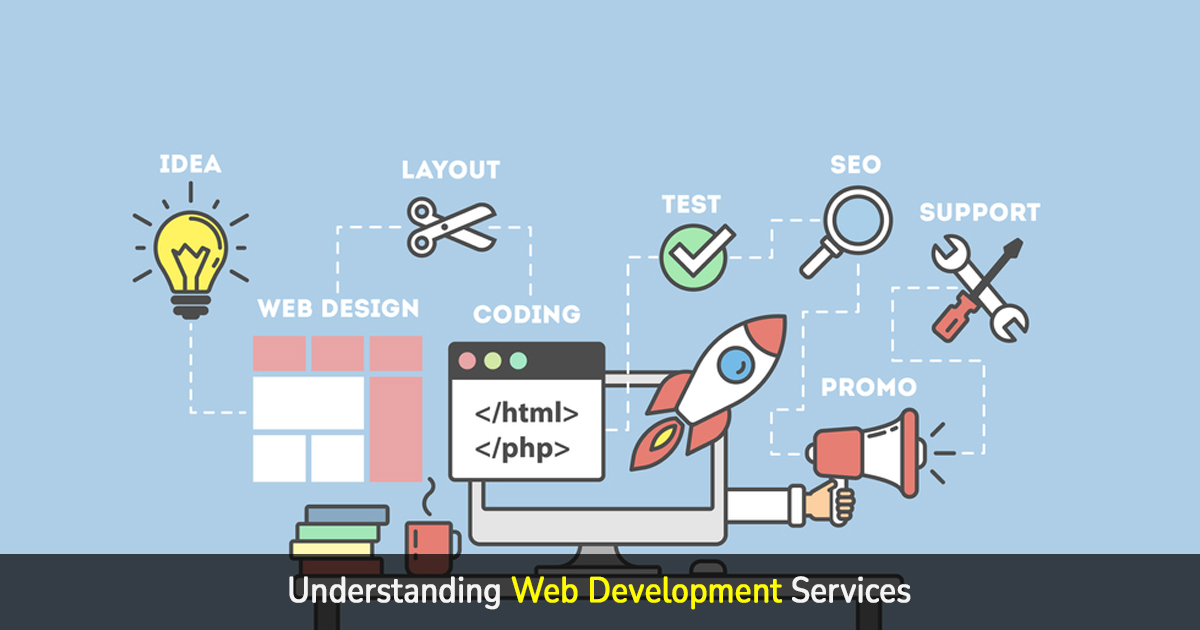
Web development services involve the complete cycle of designing, constructing, and managing websites and web applications. These services combine technical expertise, creative design, and strategic planning to deliver functional digital solutions that meet business objectives. A professional web development services company handles everything from initial concept to final deployment and ongoing support.
Importance of Web Development for Businesses
In today’s digital landscape, where 70% of small businesses have a website, having a strong online presence isn’t optional—it’s essential. Web development services can boost SEO rankings, increase credibility, and provide a platform for customer engagement. With 85% of users preferring mobile-friendly sites, professional development ensures your business remains competitive and accessible across all devices.
Common Misconceptions About Web Development
Many people confuse web development with web design, believing they’re interchangeable. Another common myth is that website development is a one-time investment when, in reality, it requires ongoing maintenance and updates. Some also assume that more features always mean better results, but this often leads to bloated websites that sacrifice performance for unnecessary functionality.
What Website Development Services Include
Core Services in Web Development
When evaluating what website development services includes, you’ll encounter several fundamental offerings. Front-end development creates the visual interface users interact with, while back-end development handles server-side functionality and database management. A comprehensive web development services list typically includes:
Essential Technical Services:
- Custom website design and development
- Responsive design implementation (which increases mobile traffic by 50%)
- Content Management System (CMS) integration
- Database design and development
- API development and integration
- E-commerce functionality
- Security implementation and SSL certificates
- Website hosting and domain management
Strategic Services:
- User Experience (UX) planning
- Information architecture
- Search Engine Optimization (SEO) foundation
- Performance optimization
- Cross-browser compatibility testing
Additional Services That May Be Offered
Beyond the fundamental coding work, many agencies supply broader service packages that feature continuous site management, content creation support, marketing tool connectivity, performance tracking setup, adherence to accessibility protocols, and platform migration. While these additions can be valuable, it’s important to distinguish between what’s essential for launch and what can be added later.
How to Evaluate Service Offerings
When reviewing a web development services description, look for specificity in deliverables, clear timelines, technology stack details, and post-launch support terms. A quality provider will be transparent about what’s included in their base package versus additional services. Ask for detailed proposals that break down each component, making it easier to compare offerings from different companies.
Web Design Services List
Key Components of Web Design Services
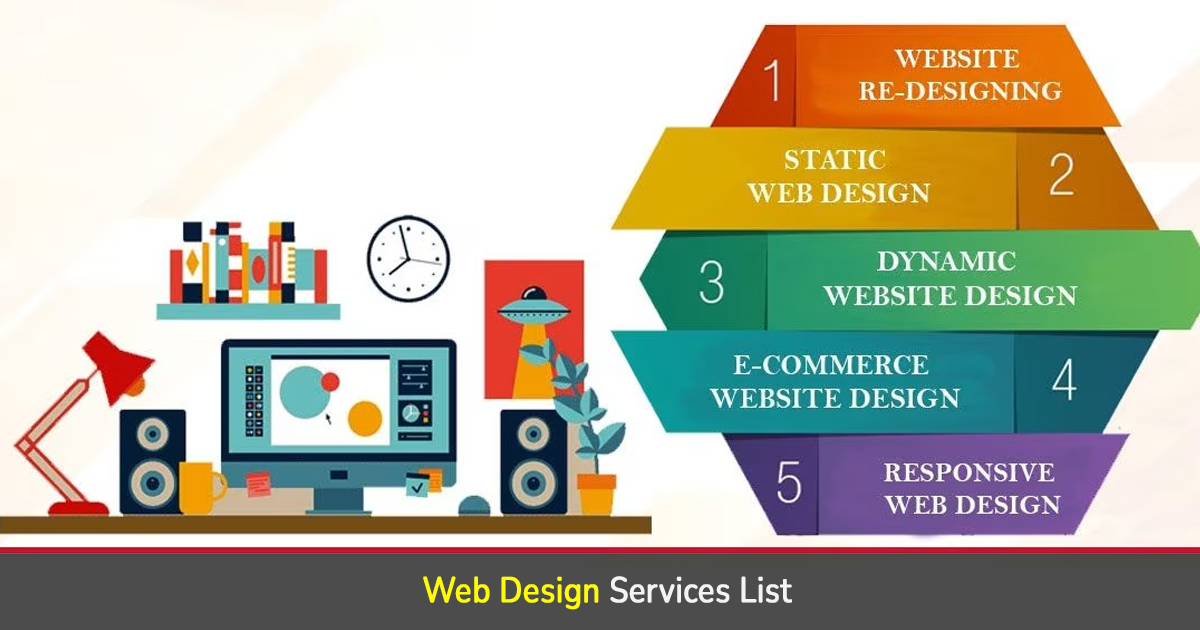
Understanding what is included in web design services helps you appreciate the distinction from development. A typical web design services list encompasses visual design and branding, wireframing and prototyping, UI/UX design, graphic design and imagery, typography selection, color scheme development, and responsive layout design. The web design services description should clearly outline how these elements work together to create a cohesive user experience.
Comparing Web Design vs Web Development
Web design concentrates on visual appeal and user interaction, whereas web development implements those concepts using programming. Design determines how a site looks and feels; development determines how it functions. Many modern projects require both disciplines working in tandem, which is why full-service agencies offering both can provide more seamless integration.
Choosing the Right Design Services for Your Needs
Not every business needs custom illustration or extensive brand identity work. Start by assessing your current brand assets, target audience expectations, and budget constraints. If you’re a startup with limited resources, template customization might suffice initially. Established businesses competing in crowded markets may benefit from comprehensive custom design services that differentiate their brand.
What You Actually Need for Your Website
Identifying Essential Features for Your Site
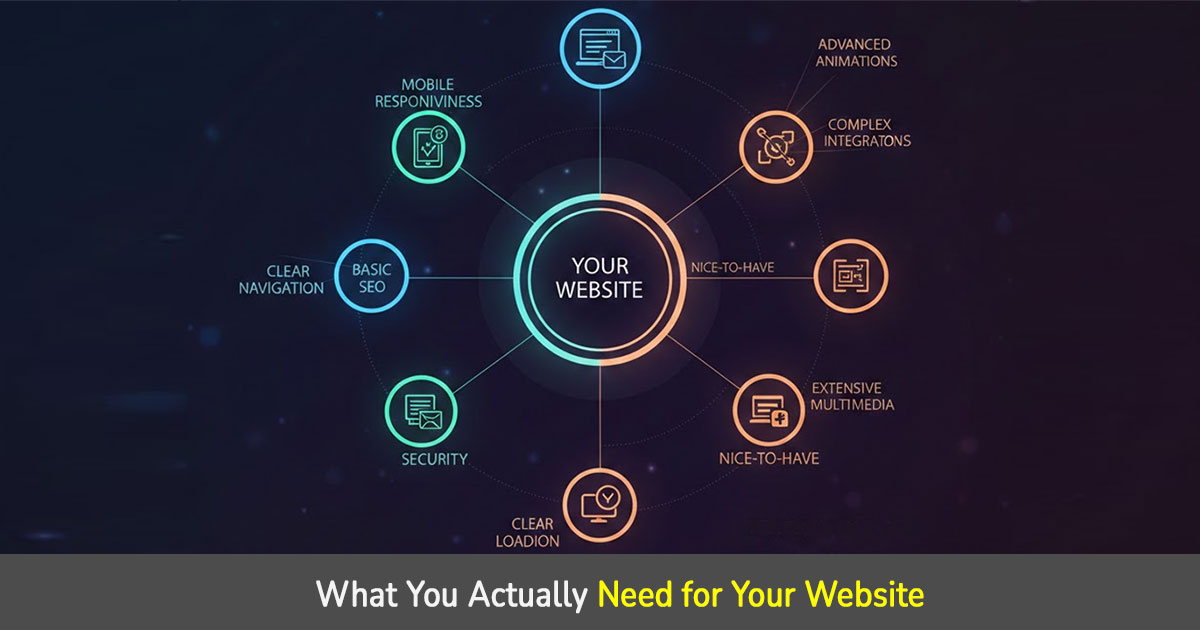
The gap between what web development services include and what you actually need often determines project success and budget efficiency. Essential features typically include mobile responsiveness (non-negotiable in 2025), fast loading speeds, clear navigation, contact forms or conversion mechanisms, basic SEO optimization, and security features.
Must-Have vs Nice-to-Have: Start with your minimum viable website—the simplest version that achieves your primary business goal. If you’re an e-commerce business, shopping cart functionality is essential; if you’re a service provider, a booking system might be critical. Advanced animations, complex integrations, and extensive multimedia content can often wait for phase two.
Budgeting for Web Development Services
Setting a realistic budget requires understanding that quality web development services represent an investment, not an expense. For small businesses, basic websites might range from $2,000 to $10,000, while custom solutions can exceed $50,000. Factor in ongoing costs like hosting ($100-$500/year), maintenance ($500-$5,000/year), and future updates.
Consider starting with core functionality and planning for iterative improvements. This approach allows you to launch faster, gather real user feedback, and allocate resources to features that actually drive results rather than those that merely sound impressive.
Prioritizing Needs vs Wants in Web Development
Create a feature priority matrix dividing requirements into four categories: must-have for launch, should-have soon after, nice-to-have eventually, and unnecessary. This framework helps you communicate clearly with your web development services company about what to build first and what can wait.
Emphasize the features that most directly contribute to achieving your business aims. If lead generation is your objective, invest in conversion optimization and lead capture forms before adding a blog or member portal. Let data and user feedback guide future enhancements.
Choosing the Right Web Development Services Company

Factors to Consider When Selecting a Company
Selecting the right web development services company significantly impacts your project’s success. Consider their technical expertise in your required platforms, portfolio quality and relevance to your industry, communication style and project management approach, scalability to grow with your needs, and pricing transparency.
Also evaluate their understanding of modern best practices, including responsive design, SEO fundamentals, and web accessibility standards. A company that stays current with industry trends will deliver a website that remains relevant longer.
Questions to Ask Potential Service Providers
Before committing to a provider, ask these critical questions: What is your development process from start to finish? How do you handle revisions and feedback? Which platforms and technologies are your areas of expertise? What’s included in your post-launch support? Can you provide references from similar projects? How do you approach project timelines and deadline management? What happens if requirements change mid-project?
Their answers will reveal not just their capabilities but also their professionalism and whether their approach aligns with your needs and working style.
Evaluating Portfolios and Client Testimonials
A comprehensive portfolio showcases diverse projects demonstrating versatility, technical solutions to complex problems, and results achieved for previous clients. Look beyond visual appeal to understand the functionality and business outcomes delivered. Client testimonials should provide specific examples of how the company solved problems, met deadlines, and contributed to business success.
Don’t hesitate to ask for references and actually contact them. Previous clients can provide honest insights into the company’s strengths, weaknesses, and how they handle challenges.
Frequently Asked Questions

What are essential web development services?
Essential web development services include responsive web design, front-end and back-end development, CMS integration, basic SEO implementation, security features, and mobile optimization. These form the foundation of any functional, professional website that meets modern web standards.
How do I choose a web development services company?
Choose a web development services company based on their relevant experience, technical expertise, communication quality, pricing transparency, and post-launch support offerings. Review their portfolio, check client references, and ensure their process aligns with your project timeline and budget.
What is included in web design services?
Web design services typically include visual design, wireframing, UI/UX design, responsive layout creation, branding elements, typography selection, color schemes, and graphic design. These services focus on the aesthetic and user experience aspects of your website.
How to assess a web development services description?
Assess a web development services description by looking for specific deliverables, clear timelines, technology specifications, revision policies, and what’s included versus what costs extra. Vague descriptions that lack detail should raise concerns about transparency and professionalism.
What do I actually need for my website?
What you actually need depends on your business goals, but typically includes mobile responsiveness, fast loading speeds, clear navigation, basic SEO, security features, and conversion mechanisms (contact forms, booking systems, or shopping carts). Start with these essentials before adding advanced features.
What sets web design apart from web development?
Web design focuses on the visual aesthetics, layout, and user experience of a website. Web development involves the technical coding and programming that makes the design functional. Most successful projects require both disciplines working together.
How much do web development services typically cost?
Budget considerations vary widely, from $2,000-$10,000 for basic small business websites to $50,000+ for complex custom solutions. Factor in ongoing costs for hosting, maintenance, and future updates. Start with core functionality and plan for iterative improvements to manage costs effectively.
Conclusion
Understanding what website development services include versus what you actually need empowers you to make informed decisions that balance functionality, budget, and business objectives. Focus on essential features that directly support your goals, choose a web development services company that aligns with your needs, and plan for iterative improvements rather than trying to build everything at once.
Remember that 94% of first impressions relate to web design, but a beautiful website that doesn’t function properly or meet user needs won’t deliver results. Start with a solid foundation of essential services, launch your website, gather real user data, and continuously improve based on actual performance metrics.
Ready to move forward with your website project? Use this guide to evaluate service providers, create a realistic budget, and ensure you’re investing in what truly matters for your business success.

